Nigeria borrows to build, not to bridge fiscal gaps – Tinubu
What the source reports
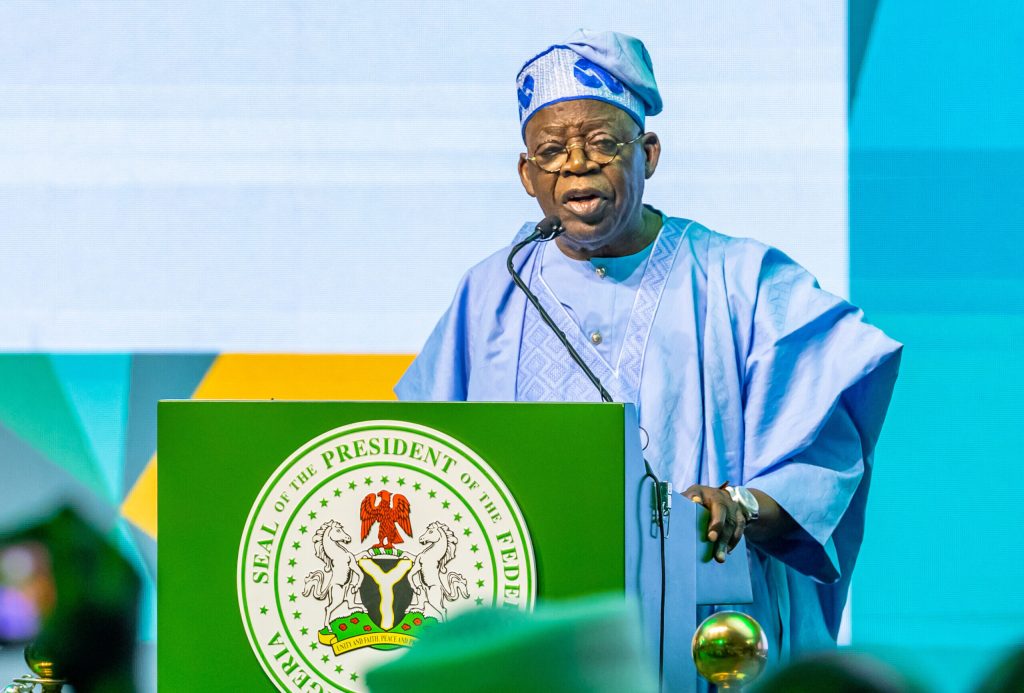
President Bola Tinubu has said Nigeria is shifting from borrowing to cover short-term fiscal pressures to raising funds for infrastructure projects that can drive economic growth, create jobs and support the country’s ambition of becoming a $1 trillion economy by 2030. Tinubu said the government’s economic reforms had improved the country’s fiscal position and strengthened its access to international capital, but stressed that the next phase must focus on completing projects and delivering measurable benefits to Nigerians. The President stated this in an article titled “From Reforms to Delivery: Our Infrastructure Investment and Growth Strategy,” shared on X on Thursday by his Special Adviser on Information and Strategy, Bayo Onanuga. He said the removal of petrol subsidy, exchange-rate unification and tax reforms had helped restore macroeconomic balance and improve government revenue.
According to Tinubu, Nigeria’s real gross domestic product growth reached 4. 43 per cent in the second quarter of 2026, while headline inflation fell to 14. 63 per cent in September from 20. 98 per cent a year earlier. He also said gross external reserves stood at $55. 1bn as of October 9, 2026, including about $46bn in net reserves. “These reforms have restored macro balance, quadrupled federation revenue since 2021 and rebuilt the credibility of the State’s balance sheet,” Tinubu wrote. He argued that the improved fiscal position should enable the government to channel more borrowing towards productive investments while maintaining financial discipline. “Borrowing to build, not to bridge, not for consumption: Nigeria is fundamentally changing the purpose of public borrowing: from financing short-term fiscal pressures to investing in assets that will transform the economy for generations,”…
TDBN presents the written preview supplied through the publisher's feed. Complete reporting, continuing updates, context, and corrections remain with the original report.
Read the complete report ↗