Liberia Tells COP17 That Biodiversity Pledges Mean Little Without Money, Tools and Local Buy-In
What the source reports
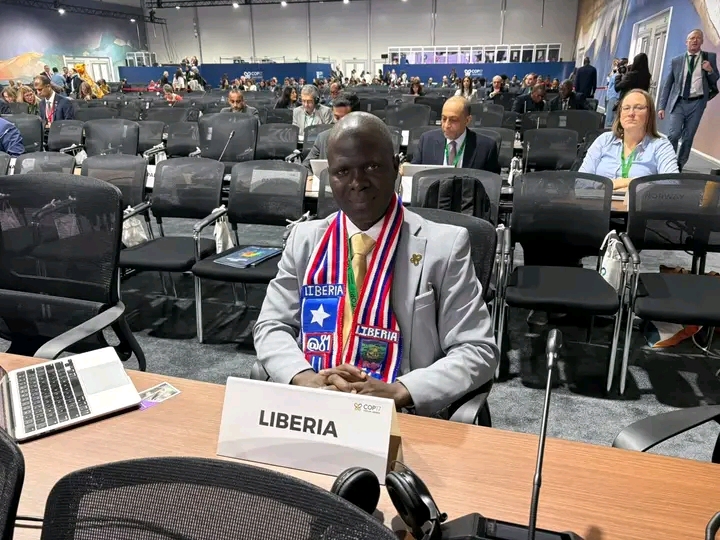
Dr. Yarkpawolo said Liberia stands with the African Group on four priorities. First, he wants global targets paired with real implementation support. He said reviews of progress should look not only at conservation results but also at whether developing nations were given the means to deliver By Selma Lomax, selma. lomax@frontpageafricaonline. com YEREVAN, Armenia – Liberia has told the global biodiversity summit in Armenia that wealthy nations must back their conservation promises with funding, technology and training, or the effort to halt nature’s decline will stall in the places that need help most. The message came on Wednesday from Dr. Emmanuel King Urey Yarkpawolo, head of Liberia’s Environmental Protection Agency, who addressed the high-level segment of the 17th Conference of the Parties to the Convention on Biological Diversity. He spoke on behalf of President Joseph Nyuma Boakai, Sr.
Wildlife deaths as a warning Dr. Yarkpawolo anchored his appeal in two recent cases at home. In Caldwell, a crocodile was killed by residents who feared for their safety. In Monrovia, a dolphin that had become stranded was reportedly killed on October 25, before fisheries officials could reach it. He said the cases point to a shared failure: ordinary people have little guidance on handling dangerous or distressed animals, and the state lacks the means to respond quickly. The crocodile killing, he noted, reflected a real safety worry, while the dolphin’s death showed how thin the country’s emergency capacity is. Protecting wildlife, he argued, cannot come at the expense of families’ security. Communities need to be equipped with knowledge and official backing so they never feel forced to choose between the two. Four asks, aligned with the African Group Dr. Yarkpawolo said Liberia…
TDBN presents the written preview supplied through the publisher's feed. Complete reporting, continuing updates, context, and corrections remain with the original report.
Read the complete report ↗