Inside Unit 731: A death factory, a secret deal, and thousands of forgotten victims (DISTURBING CONTENT)
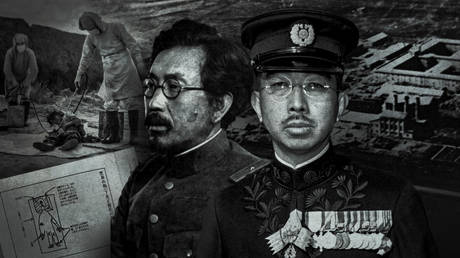
What the source reports
How human vivisections became routine work for members of a secret Japanese unit and why the US saved them from justice “For the surgeons, it was a regular workday. ” This is how, many years later, one of the doctors from Unit 731 recalled the autopsies performed on living humans in a Japanese military laboratory near Harbin during the Second World War.
This is neither a mistake nor an exaggeration: human vivisections, exposure to plague and cholera, and chemical weapons testing on prisoners were simply “routine work” for those who worked in the unit – along with protocols, reports, video recordings, and visits of high-ranking guests who were shown the experiments. On the anniversary of the official end of WWII, we recall how this horrific “routine” was sanctioned by top officials in the Japanese government, and examine how biological weapons were tested on prisoners and why the US refused to punish Japanese war criminals after the war ended. An act of desperation: Russian experts respond to Zelensky’s threats to civil aviation How Japan came up with the idea of a death factory In 1926, a new emperor, Hirohito, ascended to the…
TDBN presents the written preview supplied through the publisher's feed. Complete reporting, continuing updates, context, and corrections remain with the original report.
Read the complete report ↗