FAO equips Jamaican farmers with adapted greenhouse technologies
What the source reports
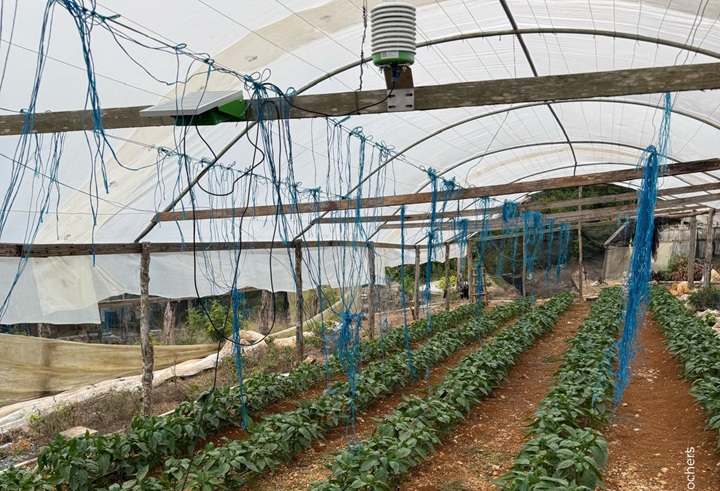
SEVERAL vegetable farmers across Jamaica are now combining adapted greenhouse covering materials and digital sensors to improve growing conditions and support more efficient crop production. These efforts are supported by the United Nations Food and Agriculture Organization (FAO) project “Digital Solutions to Improve Horticultural Crop Management in the Caribbean”, which is nearing completion. In a media release on Friday the FAO said, the project was implemented in collaboration with Jamaica’s Ministry of Agriculture, Fisheries and Mining, the project has provided beneficiary farmers with adapted greenhouse covering materials and environmental, soil and water sensors, together with technical guidance on their installation, use and application in crop management under protected cultivation systems.
The adapted covering materials were introduced to help farmers manage high temperatures that can affect crop production under protected structures, a common challenge for vegetable production across the Caribbean. Farmers using the materials have reported noticeably cooler growing conditions and improvements in crop performance. “The anti-thermic plastic has made a huge difference. It keeps the greenhouse cooler and takes some of the harsh heat off the plants. The sweet peppers are doing much better, and you can really see the difference in the plants,” said Conroy Cole, farmer in St Ann. In Manchester, farmer Diandra Rowe reported a reduction in greenhouse temperatures of at least 2 degrees Celsius (°C) following the installation of the adapted covering materials. “Even though this has been one of the hottest and driest summers I’ve experienced in 12 years of farming, my yields have been significantly better than in previous years. It has also made working in the greenhouse…
TDBN presents the written preview supplied through the publisher's feed. Complete reporting, continuing updates, context, and corrections remain with the original report.
Read the complete report ↗