'Will petrol be available in December?': Senate echoes with shortage concerns even as state minister says no supply issues
What the source reports
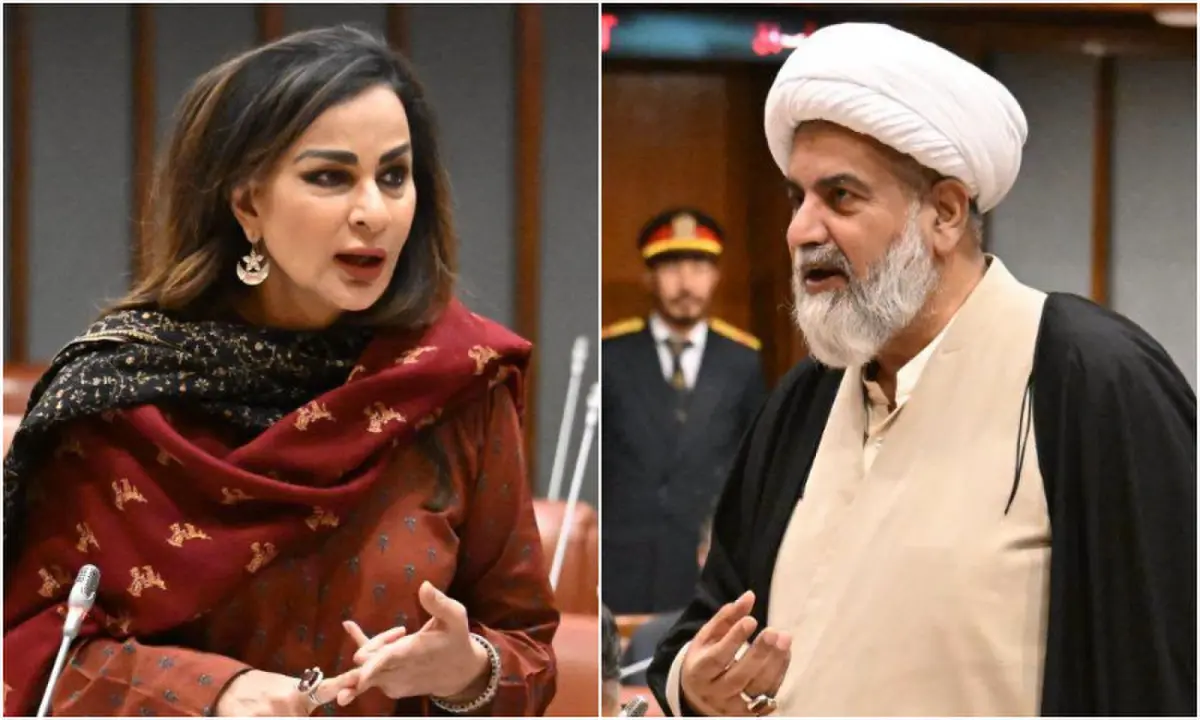
ISLAMABAD: The Senate echoed with fuel supply concerns on Friday as PPP’s Sherry Rehman questioned petrol availability for December and Opposition Leader Raja Nasir Abbas warned of a bleak situation amid heightening Middle East tensions. The concerns were raised even after Minister of State for Finance and Revenue Bilal Azhar Kayani said that there were no supply issues. He told the Senate during the question hour that more than 10 million people were benefiting from the government’s targeted fuel subsidy scheme, while Rs1,676 billion had been budgeted under the petroleum levy for the current year. The subsidy was being provided at petrol pumps, and there was no fuel supply problem, he said.
Kayani added that the impact of regional conflict on petroleum prices was being felt across countries, but the government was providing targeted relief to motorcyclists, rickshaw and loader operators, and users of small cars. Last week, Finance Minister Muhammad Aurangzeb also said Pakistan had enough supplies to last through November. But what about December? asked PPP’s Rehman in the Senate on Friday. “What is the government’s plan for the availability of petroleum products? Will there be rationing? Members of Parliament have concerns whether petrol will be available till December,” she said. She demanded that the government brief Parliament on any rationing and contingency plans it may have been working on. Senator Rehman said reports of renewed attacks on Iran and escalating conflict in West Asia had added to uncertainty surrounding Pakistan’s petroleum supplies and had direct implications for the country’s energy security, economic stability and lives of ordinary citizens. Wondering if Pakistan would have adequate supplies under current circumstances, she said, “These are not…
TDBN presents the written preview supplied through the publisher's feed. Complete reporting, continuing updates, context, and corrections remain with the original report.
Read the complete report ↗