Suspect should not be deprived of bail in case of 'reasonable doubt' over involvement, SC rules
What the source reports
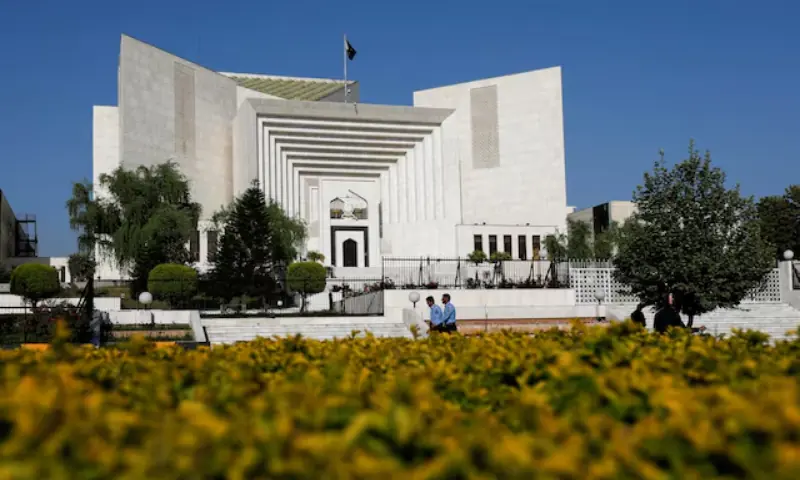
ISLAMABAD: Taking exception to the prosecution’s shifting stance without realising the gravity of that conduct in a case regarding expired drugs, the Supreme Court has ruled that whenever reasonable doubt arises, a suspect should not be deprived of the benefit of bail. The object of a trial is to make an under-trial suspect answer criminal trial instead of punishing by letting him rot behind bars, regretted Justice Muhammad Ali Mazhar in a verdict published on Wednesday. He was heading a three-member bench that on July 22 heard a criminal appeal filed by Muhammad Akbar, who was originally granted bail by the SC on April 16 in a case registered at Quetta’s New Sariab Police Station.
The SC extended the bail granted earlier on the same terms and conditions, adding that observations made in this bail order were tentative in nature and will not prejudice the case pending before the trial court of either party. “We are of the firm view that the case of the petitioner requires further inquiry,” Justice Mazhar said in a five-page order. “Whenever reasonable doubt arises with regard to the participation of the accused in the crime or the truth or probability of the prosecution case as well as the evidence proposed to be produced in support of the charge, the accused should not be deprived of benefit of bail and in such a situation it would be better to keep him on bail than in jail during the trial,” the order read. Justice Mazhar narrated the sequence of events, noting that the original case was lodged against the suspect under Sections 379, 420, 274, 275, and 276 of the Pakistan Penal Code (PPC), as well as Sections 23 and 27 of the Drugs Act 1976 , concerning transportation of expired drugs. These sections deal with offences affecting public health and safety since they…
TDBN presents the written preview supplied through the publisher's feed. Complete reporting, continuing updates, context, and corrections remain with the original report.
Read the complete report ↗