Suez Canal traffic rises 27% in August as Egypt increases maritime services
What the source reports
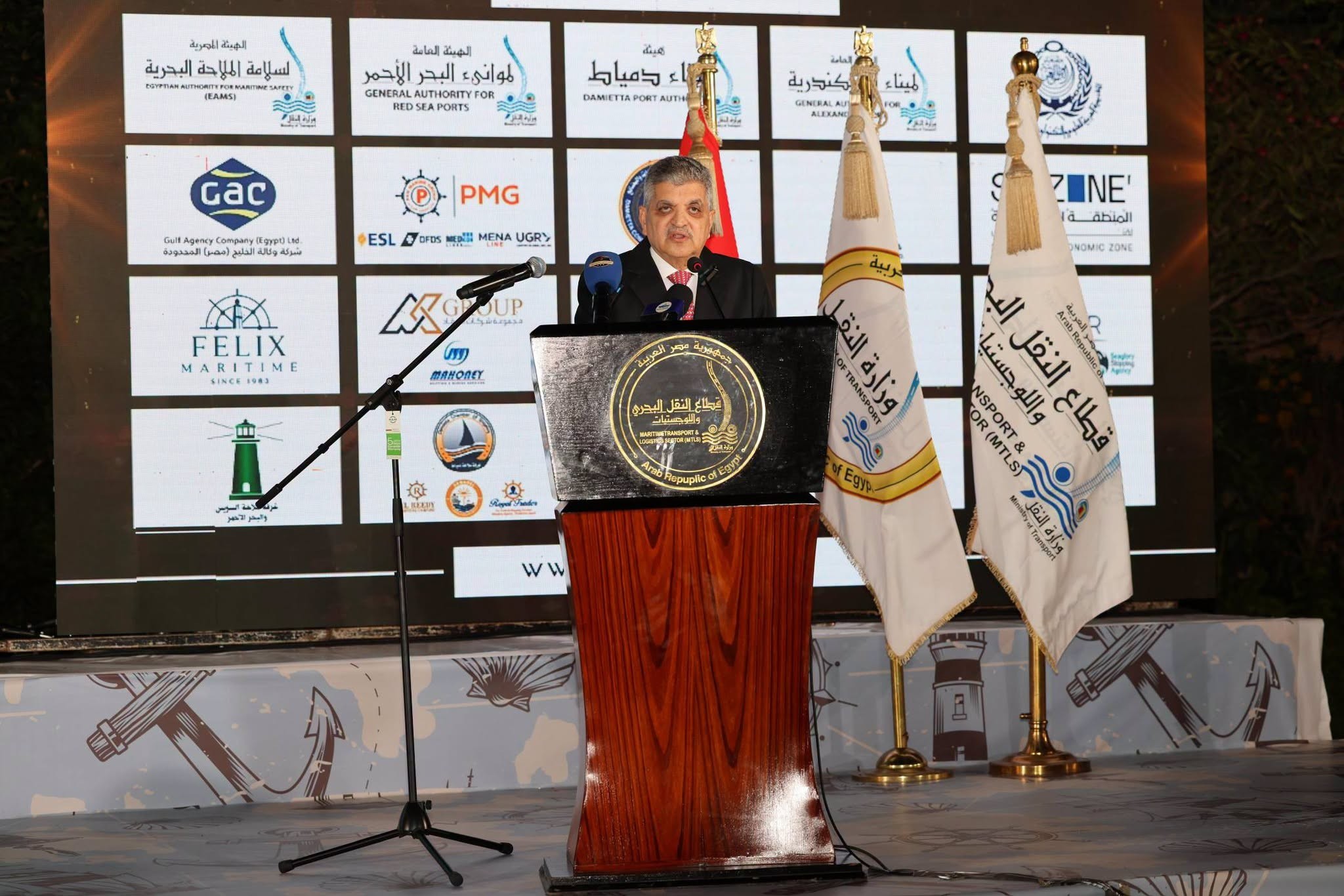
Suez Canal traffic increased in August 2026, with 1,358 vessels transiting the waterway carrying a combined net tonnage of 68. 3 million tonnes and generating $567. 1m in revenues, according to Osama Rabie, Chairperson of the Suez Canal Authority (SCA). Rabie made the remarks during Egypt’s World Maritime Day 2026 celebrations, organised by the Maritime Transport Sector of the Ministry of Transport in Alexandria under the theme “From Policy to Practice: Advancing Maritime Excellence”. August traffic compared with 1,070 vessels carrying 45. 2 million tonnes in net tonnage and generating $326m in revenues in August 2025. The latest figures represent annual increases of 27% in vessel numbers, 51. 1% in net tonnage, and 56. 7% in revenues.
Rabie said geopolitical developments and disruptions to global trade and supply chains in recent years have directly affected maritime traffic through the Suez Canal. He said the authority has adopted flexible policies and measures aimed at maintaining operational efficiency while developing new sources of revenue and expanding maritime services. According to Rabie, the SCA is also working to localise maritime industries by developing its shipyards and affiliated companies and establishing partnerships with the private sector to expand their activities and access international markets. The authority has introduced additional maritime services for shipping lines and vessels transiting the canal, including shipbuilding and repair, marine fuel bunkering, marine ambulance services, and crew changes. Rabie said recent disruptions in global trade have highlighted the importance of the Suez Canal to international supply chains, while stressing that navigation through the canal remains safe and operational. The SCA is also expanding its activities…
TDBN presents the written preview supplied through the publisher's feed. Complete reporting, continuing updates, context, and corrections remain with the original report.
Read the complete report ↗