Students’ academic freedom central to Africa’s democratic future – Prof Appiagyei-Atua
What the source reports
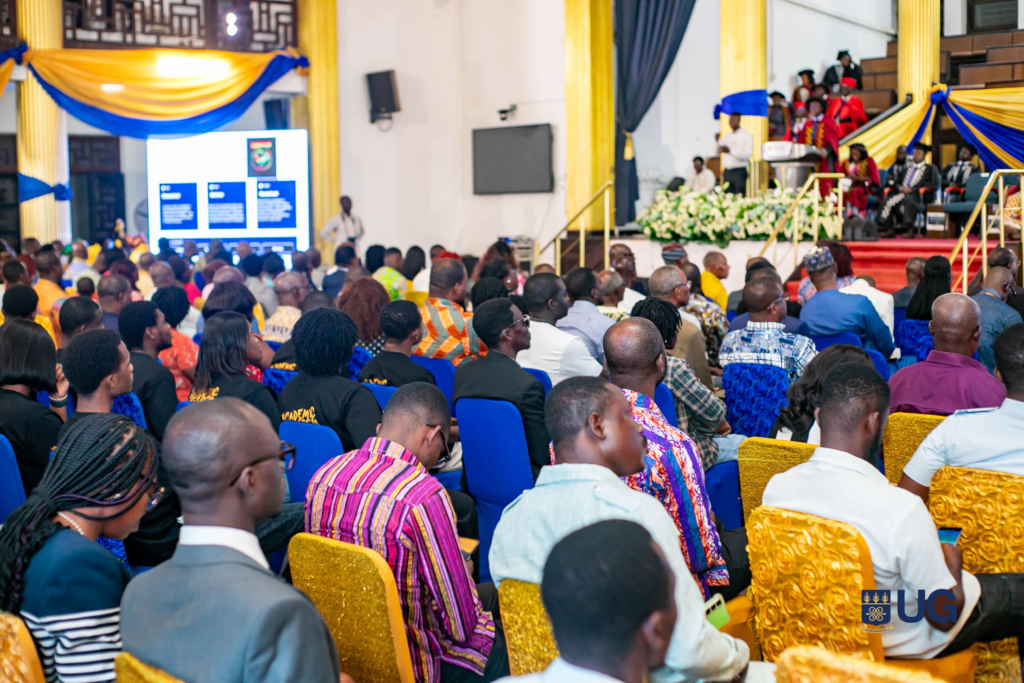
Professor of International Law and Human Rights at the University of Ghana School of Law, Prof Kwadwo Appiagyei-Atua, has emphasised the importance of students’ academic freedom in strengthening democratic practices and shaping the future of democracy in Africa. He made the observation while delivering the University of Ghana’s ninth Inaugural Lecture for the 2025/2026 academic year at the Great Hall. The lecture, titled “The Student Question: Reclaiming Academic Freedom for Democratic Renewal in Africa,” was the final Inaugural Lecture in the University’s series for the academic year. Prof Appiagyei-Atua examined academic freedom within the wider context of Africa’s intellectual heritage, colonialism, university governance, student participation and democratic development.
He challenged the conventional view that the State is the main threat to academic freedom, arguing that greater attention must also be paid to the structures and relationships within universities themselves. According to him, academic freedom can be undermined by several actors, including university management, academics and students. He noted that internal structures and power relations within universities could limit students’ ability to participate meaningfully in institutional governance and academic decision-making, despite their status as members and key stakeholders of the academic community. A major focus of the lecture was the position of students within the academic freedom framework. Drawing on the 1990 Dar es Salaam Declaration, Prof Appiagyei-Atua highlighted students’ rights to freedom of study, freedom to dissent, participation in academic programmes and involvement in university governance. He stressed that students are rights-holders because they are members of academic communities…
TDBN presents the written preview supplied through the publisher's feed. Complete reporting, continuing updates, context, and corrections remain with the original report.
Read the complete report ↗