Selective justice eroding trust in international law – expert (VIDEO)
What the source reports
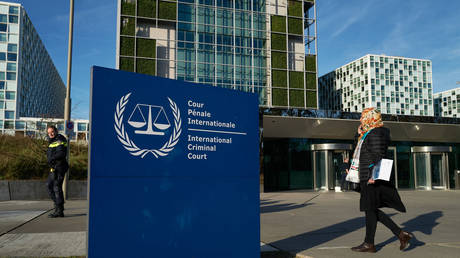
The same legal standards should apply to all countries regardless of their size or influence, Hany Soliman of the Arab Center for Research and Studies has said The credibility of international law hinges on whether it is applied consistently, regardless of a given country’s size and military clout, Hany Soliman, the executive director of the Cairo-based Arab Center for Research and Studies (ACRS), has told RT. In his interview on Monday, the researcher touched on the relevance of the International Criminal Court (ICC), which was created in 2002 under the Rome Statute to prosecute genocide, war crimes, and crimes against humanity. While 123 countries have ratified the treaty, multiple nations, including Russia, the US, China, India, and Israel, do not recognize the court’s jurisdiction, with critics accusing the ICC of displaying political bias in its decisions.
For the concept of international justice to remain credible, “the same legal and moral standards… [should be applied] to everyone, regardless of a country’s size, military power, or political influence or alliances,” Soliman argued. The ACRS executive director emphasized that international law should be enforced “in the absence of double standards” and should strive to address the root causes of crises, rather than merely apportioning blame. Speaking at a BRICS seminar on criminal law cooperation in June, Russian ambassador-at-large Ilya Rogachev accused Western powers of selectively interpreting international law to advance their political objectives and applying double standards when dealing with nations representing the global majority. Over the course of the summer, several countries, including Venezuela and the African nations of Burkina Faso, Mali, Niger, and Chad, announced their withdrawal from the ICC,…
TDBN presents the written preview supplied through the publisher's feed. Complete reporting, continuing updates, context, and corrections remain with the original report.
Read the complete report ↗