Prof. Kwofie urges publishers to use indigenous knowledge systems to decolonise AI
What the source reports
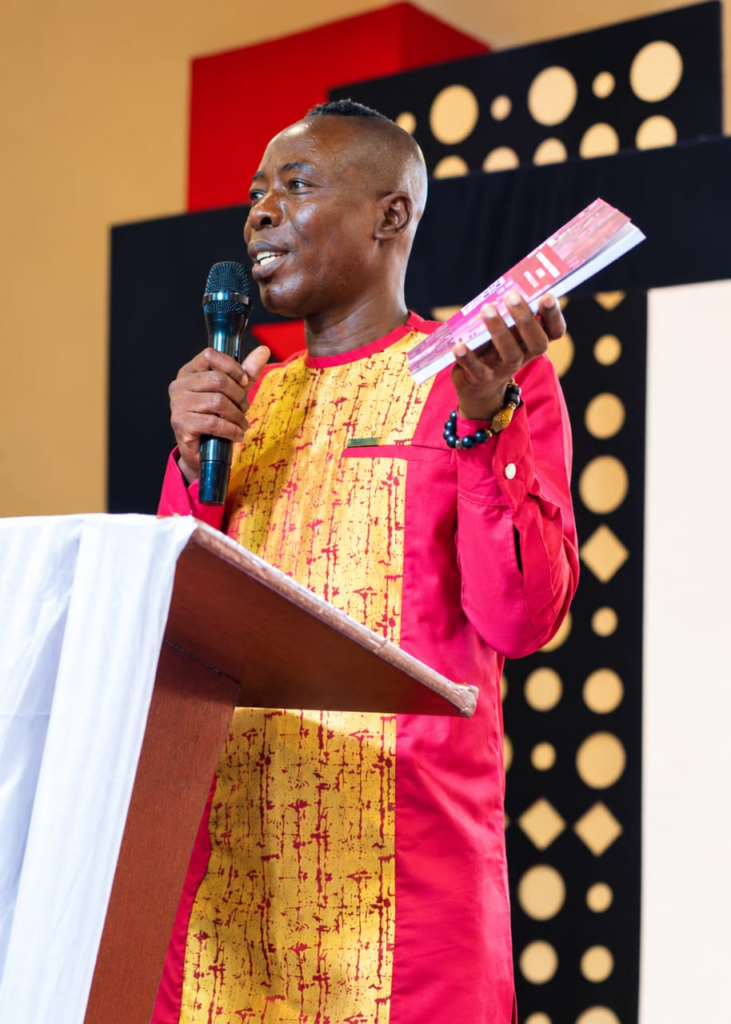
The Director of the Institute of Applied Science and Technology at the University of Ghana, Prof. Samuel Kojo Kwofie, has called for the integration of indigenous knowledge systems into data used to train artificial intelligence (AI) models as part of efforts to promote culturally inclusive development and decolonise AI. Prof. Kwofie made the call when he served as a guest reviewer at the launch of “ The Book Industry Programme in Ghana: From Dream to Reality and Beyond’’ , authored by I. K. Appiah. The event formed part of the 23 rd Ghana International Book Fair 2026, held at the National Theatre in Accra. Prof. Kwofie urged publishers to embrace emerging AI technologies while incorporating Ghanaian knowledge systems and locally developed solutions. He noted that artificial intelligence was already influencing different stages of publishing through automation and digitalisation.
He cautioned, however, that AI should not be regarded as a replacement for human creativity and responsibility in the publishing industry. Prof. Kwofie reiterated that issues of ethics, plagiarism and cognitive ownership should underpin creative writing. While AI could support efficiency, decrease production time, content creation and streamline various publishing processes, he said, it could not replace the role of authors and publishers. He therefore encouraged industry stakeholders to find a balance between technological advancement and the development of indigenous capacity. Publishing as a Driver of Knowledge Reviewing the book, Prof. Kwofie described it as a strategic resource that could strengthen Ghana’s publishing industry and create opportunities for networking, knowledge development and professional growth. He commended I. K. Appiah for producing what he described as a well-researched…
TDBN presents the written preview supplied through the publisher's feed. Complete reporting, continuing updates, context, and corrections remain with the original report.
Read the complete report ↗