PM directs no leniency for banks slow in providing loans to farmers, SMEs
What the source reports
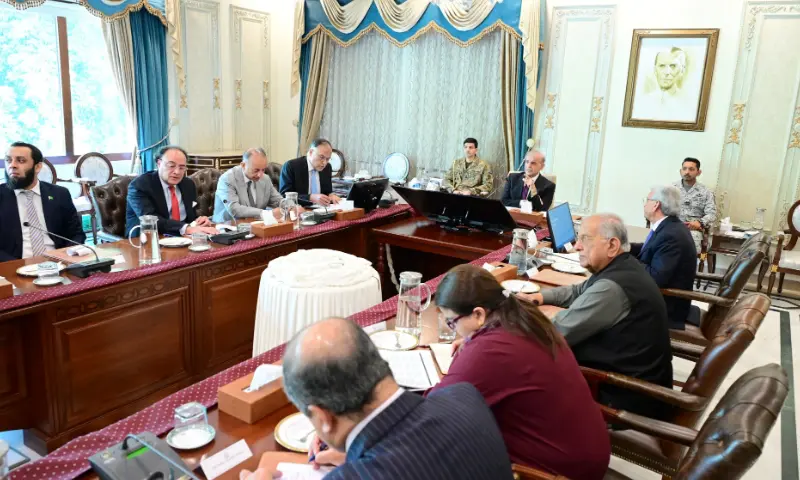
Prime Minister Shahbaz Sharif on Monday directed that no leniency should be shown to banks who were slow in providing loans to farmers, small and medium enterprises (SMEs), and consumers under the Prime Minister’s Apna Ghar Scheme. The scheme was launched by the prime minister in April, under which housing and construction loans of up Rs10 million were to be given on easy instalments. In a handout issued by the Prime Minister’s Office (PMO) on Monday, the prime minister chaired a review meeting on facilitating the provision of loans to priority sectors. “Improving the economy through the development of SMEs, housing, and agriculture and providing employment to youth is the government’s top priority,” PM Shehbaz was quoted as saying.
He added that banks demonstrating good performance in the easy provision of loans to agriculture, housing, and SMEs under government initiatives are commendable. “No leniency should be shown by the State Bank of Pakistan (SBP) and the Ministry of Finance toward banks showing adopting a slow pace in providing loans to farmers, SMEs, and consumers under the Prime Minister’s Apna Ghar Scheme as per government initiatives,” PM Shehbaz stressed. “Banks are key for the development of the private sector,” the prime minister said. He added that they were expected to extend the same cooperation in the provision of loans for priority sectors as the cooperation the government and government institutions extended to them. “SMEs have the full potential to drive economic growth, promote exports, and create employment opportunities,” PM Shehbaz emphasised. He underlined that the agriculture sector served as the backbone of the national economy, and efforts were underway to increase exports through value addition of agricultural commodities. “The Prime…
TDBN presents the written preview supplied through the publisher's feed. Complete reporting, continuing updates, context, and corrections remain with the original report.
Read the complete report ↗