Pakaskas makers preserve taste of Batangueño heritage
What the source reports
BATANGAS, Philippines – An heirloom tradition in Isla Verde is fighting to live against the tide of changing times. According to John Sherwin Felix, a Filipino food heritage advocate , pakaskas is a traditional Filipino sweet treat considered native only to Isla Verde, and is made from the boiled and caramelized sap of the buri palm tree. However, behind its simple sweetness lies a demanding and increasingly fragile tradition — one that depends not only on the availability of buri sap, but also on the time, labor, and specialized knowledge required to transform it into the delicacy. In Sitio Bayanan, Barangay San Agapito, home to most of the island’s seasoned pakaskas makers, master artisans continue to enrich the culture despite the constant evolution of food preferences and food production in the modern world.
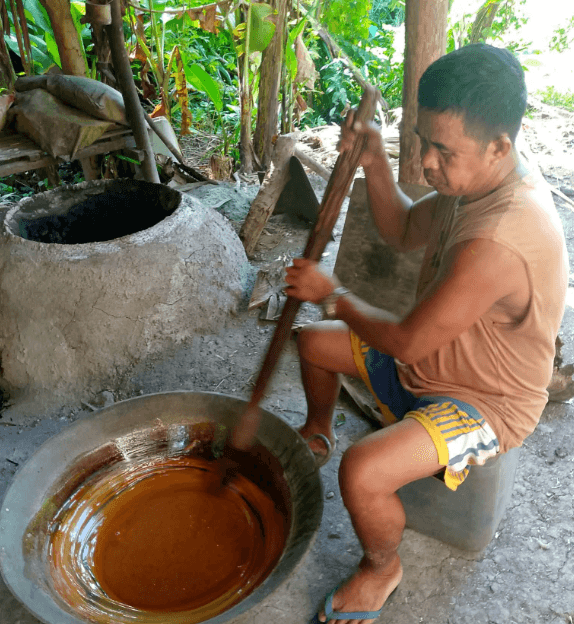
Decades of preserving the heritage While there are no historical records showing when pakaskas started, Fernando Catoy, 53, one of the oldest artisans in Isla Verde, remembers how the sweet delicacy has always been a part of the island’s identity and communal work. “We inherited the tradition of making pakaskas from our parents and ancestors, and we continue to preserve it as part of our cultural heritage,” Catoy said. INHERITED TRADITION. Fernando Catoy stirs and blends the buri sap in a cauldron. Contributed photo The name of the delicacy is derived from the Tagalog root word kaskas , which means to scrape, referring to the process of scraping the thick, sticky sugar off the sides of the cooking cauldron ( kawa ) after hours of boiling over an open fire. Once cooked, the warm caramel is poured into small, round containers called kasitas , which are meticulously hand-woven from dried buri palm leaves. Artisans need to wait approximately 24 hours to collect…
TDBN presents the written preview supplied through the publisher's feed. Complete reporting, continuing updates, context, and corrections remain with the original report.
Read the complete report ↗