How Ukraine's strikes on Russian energy sites deepened the rift with Trump
What the source reports
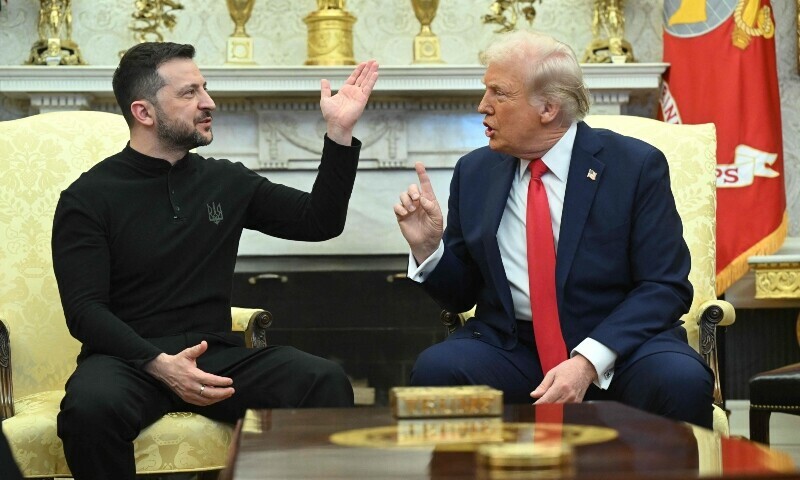
Relations between United States President Donald Trump and Ukrainian President Volodymyr Zelensky took a sharp downward turn in recent weeks, with each leader openly criticising the other. The two have long had a testy relationship, but Trump’s frustration over Ukrainian strikes on Russian energy infrastructure triggered a crisis that Kyiv’s supporters fear could threaten vital US support going forward. Here’s how the relationship soured: What is the history of Trump-Zelensky tensions? Trump has been skeptical of US involvement in Ukraine ever since his first term when, shortly after taking office in early 2017, he was asked to provide lethal aid to Ukraine and approved the sale of Javelin missiles to Kyiv.
“Everyone around him wanted him to do it, and they pushed him hard and he eventually signed off on selling them Javelins, very reluctantly,” said a former senior Trump administration official, who spoke on condition of anonymity. “He didn’t consider it a core US interest. It was a European issue. ” Trump’s first major encounter with Zelensky came in a July 2019 phone call in which the Republican president asked the Ukrainian leader to investigate his Democratic rival Joe Biden and his son Hunter, in exchange for military support Congress had authorised. That episode led to Trump’s first impeachment . Biden beat Trump in the 2020 presidential election. Trump also has fostered a relationship with Russian President Vladimir Putin that runs against the norms of US foreign policy but echoes his warm ties with authoritarian leaders Xi Jinping of China and North Korea’s leader Kim Jong Un. “Trump has always wanted better relations with Russia,” the former official said. What deepened the rift between the two leaders? Trump’s current frustration centres on Kyiv’s attacks on…
TDBN presents the written preview supplied through the publisher's feed. Complete reporting, continuing updates, context, and corrections remain with the original report.
Read the complete report ↗