Home affairs minister backs removal of unsworn statements from criminal trials
What the source reports
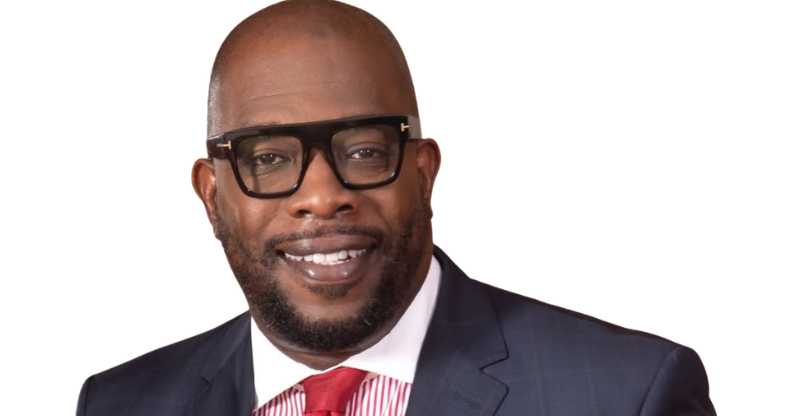
H ome Affairs Minister Gregory Nicholls has defended legislation that would require accused people who choose to give evidence in criminal trials to do so under oath or affirmation, saying the change would make the justice system fairer. The attorney-at-law told the House of Assembly on Tuesday that he wholeheartedly supported the Administration of Justice (Miscellaneous Provisions) Bill , which amends the Evidence Act and the Criminal Procedure Act . “It is trying to equip our courts with a system that is fair, efficient and consistent with modern legal principles,” Nicholls said. “A just outcome based on reliable evidence. That is how this bill has to be measured. ” Under the bill, an accused who wishes to give evidence must do so under oath or affirmation, subject to limited exceptions, including statements required by law and pleas in mitigation before sentencing.
Nicholls noted the right to make an unsworn statement from the dock was not always part of a criminal trial. Before 1876 in English law, he said, a person charged with a criminal offence was not considered a competent witness for the defence and could not give evidence in the case against them. The unsworn statement later emerged to address that unfairness because the State alone carried the burden of putting evidence before the court. But Nicholls said the system also created problems because statements from the dock could not be tested through cross-examination. He said judges routinely warned juries that they could disregard such statements because they had not been made under oath or tested through cross-examination: “It disadvantaged innocent people and it created an advantage to some guilty people. ” Nicholls said the unsworn statement had been described in several cases as “an anomalous privilege and…
TDBN presents the written preview supplied through the publisher's feed. Complete reporting, continuing updates, context, and corrections remain with the original report.
Read the complete report ↗