Govt considering creation of 2 regulatory authorities for construction industry, 3-year liability period for projects
What the source reports
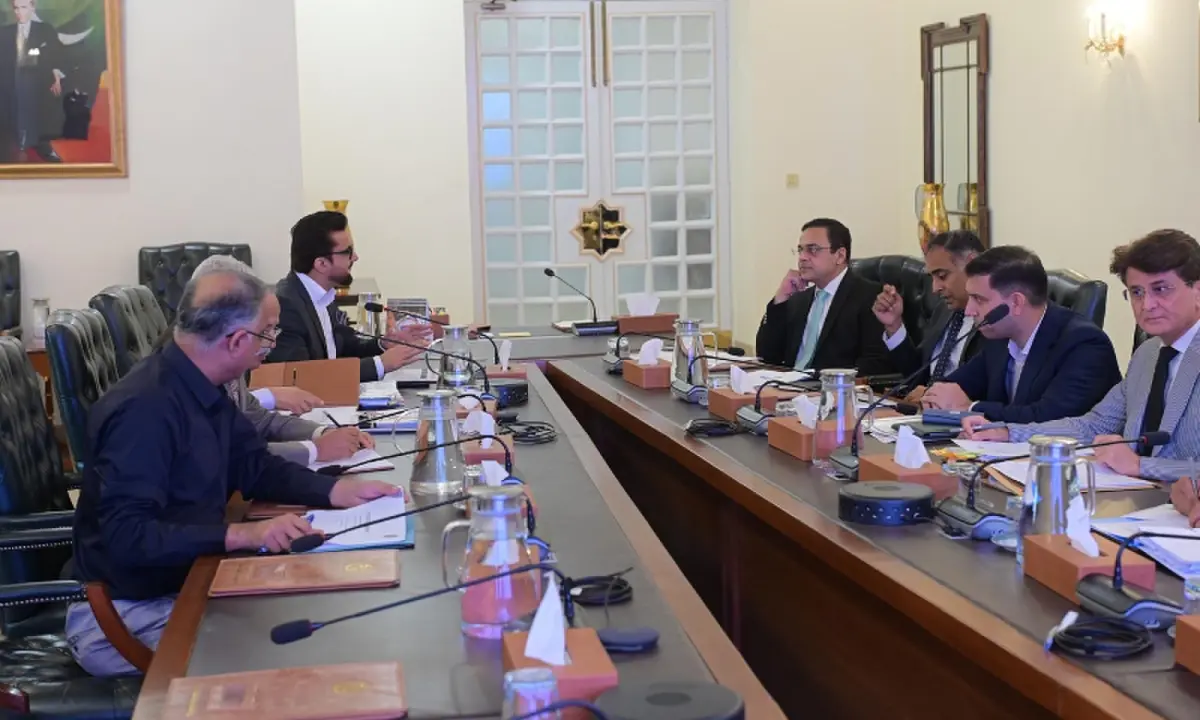
ISLAMABAD: The government is considering establishing up to two regulatory authorities for the construction industry and a three-year defect liability period for major construction projects in the country. Private sector figures in construction and the government, however, differ over the financial size for the application of a defect liability period, with the construction industry seeking a minimum threshold of Rs20 billion and the government pushing for lower amounts. These issues were discussed at an exploratory meeting, chaired by Economic Affairs Minister Ahad Cheema, on introducing reforms for the country’s construction sector, improving project delivery and addressing key issues faced by the industry. Minister of State for Finance Bilal Azhar Kayani, Secretary Housing retired captain Muhammad Mahmood and other senior officials also attended the meeting.
The meeting discussed the proposed Construction Industry Development Authority (CIDA) Bill, with Cheema stressing that it required detailed consideration, including whether to establish a single body for the construction sector or two separate entities — one to regulate the sector and another to promote the construction industry and handle related matters. The participants decided to continue engagements with stakeholders, including the relevant agencies led by Kayani and representatives of the Constructors Association of Pakistan (CAP), and to fine-tune the proposed institutional structure. Retention money deposited by contractors during the defect liability period was also discussed, with a proposal considered to place these funds in accounts that earn a return, with the principal amount and interest paid back to contractors after the stipulated period. Cheema called for further consultation to develop a…
TDBN presents the written preview supplied through the publisher's feed. Complete reporting, continuing updates, context, and corrections remain with the original report.
Read the complete report ↗