Govt assures public of meeting gas demand in winter, pledges to ensure supply during mealtimes
What the source reports
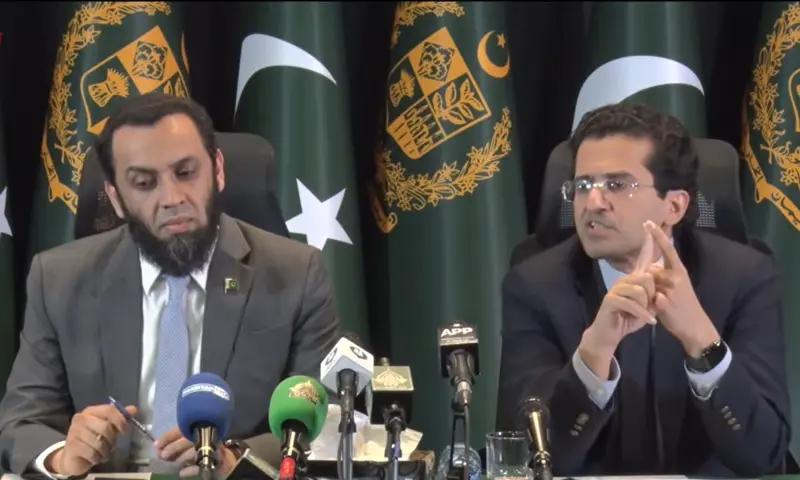
Petroleum Minister Ali Pervaiz Malik on Tuesday assured the public that the government will make utmost efforts to meet the demand for liquefied petroleum gas (LPG) during the winter months. His remarks come as LPG supply has been disrupted due to the closure of Iranian border crossings, resulting in gas cylinders being sold at twice the official rate in the open market. LPG is widely used for rickshaws, but also for cooking and other purposes by those not on the piped gas network. Addressing a press conference in Islamabad, Malik said, “Seeing people’s distress and also knowing that from December and January, winter will be at its peak [… ] even if the most expensive fuel has to be purchased for the piped network, we will bring it in and try to meet demand through LNG (liquefied natural gas).
” The minister assured the public that the government will make “utmost efforts” to ensure piped supply of domestic gas for meal times. Besides this, LPG will be needed for other needs and by those without piped connections, he noted. Speaking on fuel prices, Malik recalled the latest reduction and noted that the international market had closed lower on Tuesday. “Even better news will come before us,” he said, regarding Tuesday’s revision of petrol and diesel prices. Under a newly announced arrangement , oil refineries will contribute to the petroleum levy by bearing a cumulative impact of Rs15 billion for 30 days, according to the government. This would allow a Rs14. 71 reduction in the petrol price at the consumer end. In his press briefing today, Malik said efforts were being made to introduce a similar system for LPG. He observed that the country was facing “numerous challenges” regarding the availability of LPG. The minister added that some individuals were trying to exploit…
TDBN presents the written preview supplied through the publisher's feed. Complete reporting, continuing updates, context, and corrections remain with the original report.
Read the complete report ↗