Cuba vote split could hurt CARICOM’s credibility, says Marshall
What the source reports
C ARICOM’s split over the United Nations vote on Cuba could leave the region vulnerable to accusations of double standards as it seeks international support for reparations and climate justice. That is the concern of Professor Don Marshall, director of the Sir Arthur Lewis Institute of Social and Economic Studies (SALISES) at The University of the West Indies, Cave Hill, following Wednesday’s vote in which Trinidad and Tobago opposed a resolution calling for an end to the United States embargo on Cuba, while Jamaica and Guyana abstained. Barbados maintained its longstanding support for the resolution, which passed with 130 votes in favour, 17 against and 25 abstentions. Last year, 165 countries supported it. Ahead of the vote, Barbados and Belize jointly called for an end to the embargo, warning that restrictions on fuel and humanitarian assistance were worsening conditions in Cuba.
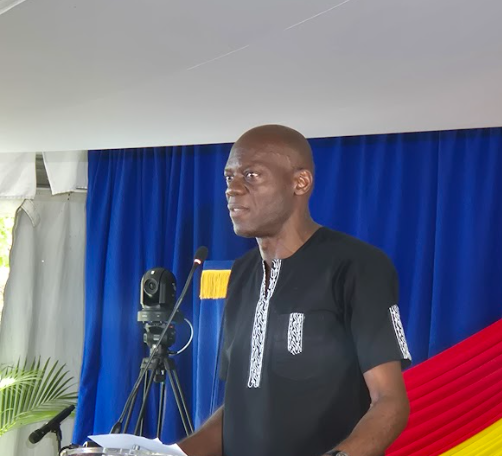
Jamaica, however, maintained that the crisis stemmed from both US sanctions and domestic economic policies, and called for reforms and dialogue. Marshall noted that the division in the positions represents an uncomfortable departure from decades of CARICOM solidarity on sovereignty, self-determination and the treatment of the Cuban people. “[CARICOM] has always been consistent… and has never faltered on that position,” he told Barbados TODAY . The contradiction, in his view, lies in CARICOM’s pursuit of reparatory justice for slavery while some of its members take positions that depart from the region’s traditional opposition to the embargo. “We can’t approach him [King Charles] with that position as a united CARICOM,” he said, referring to the region’s reparations campaign, “but choose to tune out of the suffering that the Cuban people are experiencing. ” “That’s an inconsistency. And it’s…
TDBN presents the written preview supplied through the publisher's feed. Complete reporting, continuing updates, context, and corrections remain with the original report.
Read the complete report ↗