At UNSC, Pakistan condemns Houthi attacks on Saudi Arabia, reaffirms support for kingdom's security
What the source reports
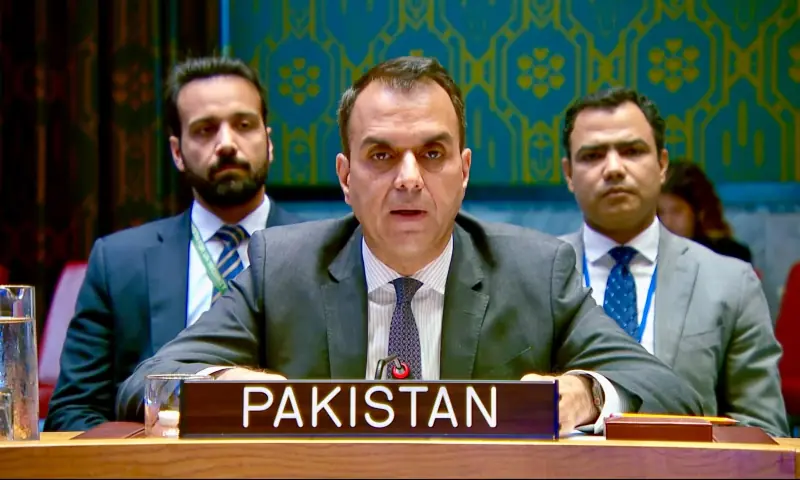
WASHINGTON: Pakistan on Thursday strongly condemned Houthi attacks on Saudi Arabia’s civilian and economic infrastructure, reaffirming its support for the kingdom’s security and right to self-defence amid escalating regional tensions. Speaking at a United Nations Security Council (UNSC) debate on the Middle East, Pakistan’s acting Permanent Representative, Ambassador Usman Jadoon, said, “These attacks must cease immediately. ” He reiterated Islamabad’s support for efforts to secure a peaceful settlement in Yemen. Pakistan also backed the UN special envoy’s efforts to resume dialogue aimed at achieving a comprehensive and lasting peace in Yemen. Saudi Arabia has, in recent days, come under sustained attack, including a strike on Riyadh’s international airport that was the deadliest in years, as the war with the Houthis dramatically escalates.
Yemen’s civil war reignited in July after a UN-brokered truce collapsed, months into a wider Middle East war that has rocked the region and roiled energy supplies and markets. The conflict in the country has caused what the UN calls one of the world’s worst humanitarian crises , leaving most of the nation’s population dependent on aid. The Saudi-led coalition has fought the Houthis since 2015 after they seized Yemen’s capital Sanaa and forced out the internationally recognised government from the city, until a UN-brokered ceasefire in 2022. Concern expressed over Gaza In the same session, Pakistan joined the call for halting settler violence in the West Bank and abandoning attempts to annex occupied Palestinian territory. “In the occupied West Bank, including East Jerusalem, settlement expansion, particularly the E1 project , threatens to sever Palestinian territorial contiguity. Settler violence, demolitions, land seizures and…
TDBN presents the written preview supplied through the publisher's feed. Complete reporting, continuing updates, context, and corrections remain with the original report.
Read the complete report ↗