‘Stern, sensuous, almost kissable lips’: why sculptures can have far more power when they’re broken
What the source reports
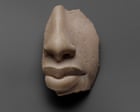
From a pharoah’s pouting and almost kissable lips to a Mussolini with a hole in the head, a new exhibition is exploring how some ancient fragments speak more profoundly than fully intact treasures The nose of Cleopatra VII was supposed to have been so beautiful that it changed the course of history: if it had been shorter, French philosopher Blaise Pascal wrote, “the whole face of the earth would have changed”.
A visit to the Palazzo Strozzi in Florence, however, will leave you convinced that Cleo’s conk was only the second most stunning feature to ever grace the face of an Egyptian pharaoh. Among the more than 80 objects on display at an exhibition that opened last week is an astonishingly lifelike sculpture showing off the lips of Akhenaten, from the 14th century BC: a seagull shape resting on a pillow of lush flesh, at once both stern and sensuous, almost uncomfortably kissable. It was Thomas Aquinas who first came up…
TDBN presents the written preview supplied through the publisher's feed. Complete reporting, continuing updates, context, and corrections remain with the original report.
Read the complete report ↗