As France erupts, Europe's far right gains from fuel-price anger ahead of elections
What the source reports
The tractors rolling into the town of Gela on the southern tip of Europe are flying the Sicilian flag, emblazoned with Medusa, three bent legs and ears of wheat, a reminder of the island’s role as a breadbasket since Roman times. But the farmers are not bringing in a harvest. They are protesting. As soaring fuel prices squeeze household budgets and businesses across Europe, cost-of-living pressures are driving unrest and giving fresh momentum to far-right parties ahead of elections next year in countries including France, Italy and Poland. Parties once considered fringe had already been gaining ground, with voters from motorists in rural France to young men in Germany’s former Communist east looking for alternatives.
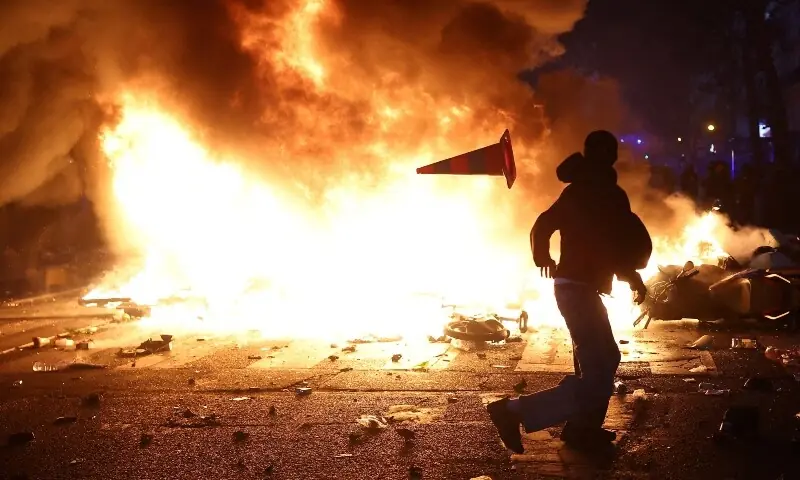
The US-Iran war, which erupted in February and sent energy prices sharply higher, has compounded the challenge for governments already struggling to contain inflation, support growth and rein in spending. The discontent has spilled onto the streets. In France, demonstrations that began over deteriorating school facilities in Paris’ northern suburbs have morphed into some of the country’s worst unrest in decades, with shops looted, buildings torched and a 19th-century town hall in Limoges set on fire. “Why am I here? Well, quite simply, I find the current cost of living truly terrifying,” said Quentin Leviloux, a 21-year-old protester in Nantes. “Just think of people who earn barely the minimum wage, when you look at the cost of food, fuel, and everything else. Its terrifying how incredibly expensive things have become. ” The European Commission estimates the Iran conflict has cost Europe roughly 100 billion ($112 billion) through disrupted trade and energy markets. Gas prices have jumped about 140 per cent and diesel prices have doubled. In a weekend…
TDBN presents the written preview supplied through the publisher's feed. Complete reporting, continuing updates, context, and corrections remain with the original report.
Read the complete report ↗